
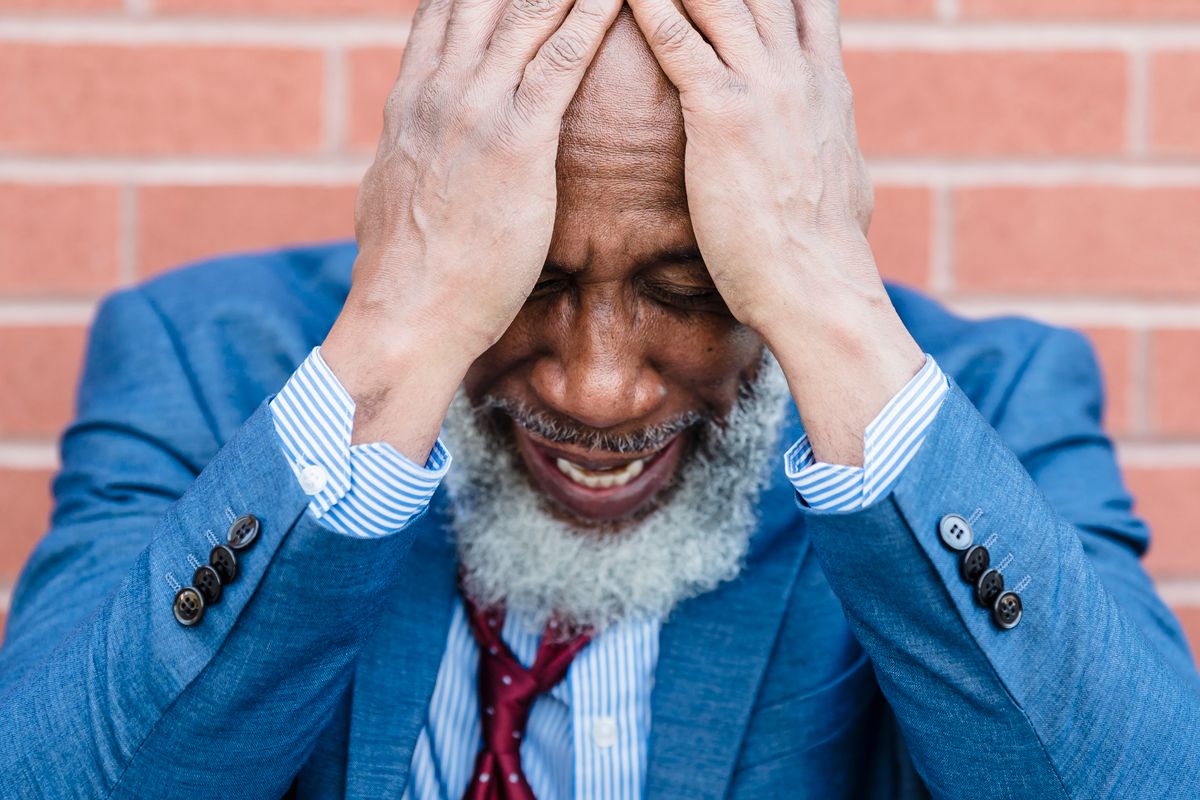
12 Jul Does Low Testosterone Cause Depression?
Medically reviewed by Dr. Elyssa Blissenbach, MD — board-certified in Internal Medicine and Obesity Medicine. This article is educational and is not a substitute for personalized medical advice. Individual results vary.
Low mood, loss of interest, irritability, a sense that the color has drained out of things—when a man experiences these, depression is the usual explanation considered. But there’s another factor that’s easy to overlook: low testosterone. The two can look alike, and they can overlap. Here’s what the connection means.
How Testosterone Affects Mood
Testosterone isn’t just about muscle and libido—it also plays a role in mood and sense of well-being. Research has linked low testosterone with symptoms of depression and low mood in some men. When levels fall, some men feel flatter, less motivated, more irritable, or persistently down, sometimes without connecting it to a hormonal cause.
Depression, Low T, or Both?
This is where it gets nuanced. Low testosterone can cause depression-like symptoms; depression can also lower testosterone; and the two can coexist independently. Because they overlap, you can’t reliably tell them apart from symptoms alone. Fatigue, poor sleep, low libido, and difficulty concentrating show up in both. That overlap is precisely why self-diagnosis falls short and evaluation matters.
Why This Matters for Treatment
Getting the cause right changes the path forward. If low testosterone is a genuine contributor, addressing it may help some men feel better. If it’s primarily depression, that deserves its own appropriate treatment—and shouldn’t be dismissed as “just hormones.” Often the most complete care considers both. Our guide on whether low testosterone is aging or treatable and on low testosterone and anxiety cover related ground.
Getting Evaluated
A simple morning blood test can measure testosterone, and a physician can assess whether it’s playing a role alongside mood. Mental-health symptoms are always taken seriously in their own right. As an internist, Dr. Blissenbach looks at the whole picture rather than forcing a single explanation—and if testosterone is genuinely low and appropriate, therapy may be part of the plan.
Feeling persistently low and not sure why? Schedule a free consultation to explore whether hormones are part of it.
Frequently Asked Questions
Can low testosterone cause depression?
Low testosterone has been linked with depression-like symptoms and low mood in some men, because it influences mood and well-being. It’s often one factor among several rather than the sole cause.
How do I know if it’s low T or depression?
You often can’t tell from symptoms alone, since they overlap and can coexist. A blood test and a physician’s evaluation help distinguish and address the real causes.
Should I still see someone if it might be hormonal?
Yes. Persistent low mood deserves evaluation regardless of the cause. A physician can assess testosterone and mental health together so nothing is missed.
Image: Photo via Pexels