
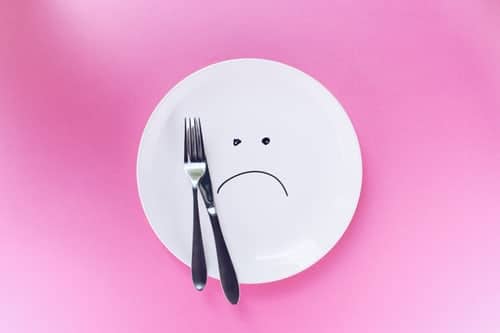
02 Aug How to Stop Emotional Eating
Emotional eating is one of the most common obstacles people run into when trying to manage their weight — and it has far less to do with willpower than most people think. Here is a practical, judgment-free look at why it happens and what may actually help.
Why You Reach for Food When You’re Stressed (Hint: It’s Not Weakness)
When stress, boredom, loneliness, or sadness hit, your brain looks for the fastest available source of relief. Highly palatable foods — sweet, salty, rich — can trigger a quick release of feel-good brain chemistry, which is why a difficult day so often ends in front of the pantry. That loop is learned, and anything learned can be unlearned.
It helps to stop framing emotional eating as a character flaw. Research suggests that stress hormones can influence appetite and cravings, which means your body is responding exactly the way it was wired to respond. The goal isn’t to shame yourself into stopping; it’s to give your brain a better set of options when big feelings show up.
Start by simply noticing the pattern. For one week, jot down what you were feeling right before an unplanned snack. Most people discover that two or three specific emotions — not true hunger — drive the majority of their eating episodes.
The 90-Second Pause That Can Interrupt a Craving
Cravings feel urgent, but they are usually short-lived waves. One of the most useful tools you can practice is a brief pause between the urge and the action. When a craving hits, wait about ninety seconds, take a few slow breaths, and ask one question: “Am I hungry, or am I feeling something?”
Physical hunger tends to build gradually, shows up in the body, and is open to many foods. Emotional hunger tends to arrive suddenly, demands one specific food, and lives mostly in the head. Simply naming which one you’re experiencing can loosen its grip.
You won’t win every time, and that’s fine. The pause is a skill, not a test. Every time you practice it — even when you eat the snack anyway — you’re strengthening the mental muscle that eventually lets you choose differently more often than not.
Build a “Comfort Menu” That Doesn’t Involve Food
Telling yourself “just don’t eat” leaves a vacuum, and vacuums get filled by old habits. Instead, build a short list of non-food comforts that genuinely work for you: a ten-minute walk, a hot shower, texting a friend, stepping outside, stretching, or putting on a specific playlist. Keep the list on your phone so it’s available in the moment.
Environment matters, too. If trigger foods live on the counter, the stressed version of you will find them. Keep them out of sight or out of the house, and make easier choices — fruit, protein-rich snacks, sparkling water — the most visible options.
- Eat regular, balanced meals so true hunger doesn’t masquerade as emotion.
- Prioritize sleep — short nights can amplify cravings for many people.
- Move daily, even briefly; activity can support both mood and appetite regulation.
When Emotional Eating Signals Something Deeper
Sometimes emotional eating is a habit; sometimes it’s a symptom. If eating episodes feel out of control, happen in secret, or come with intense guilt, that pattern deserves professional attention rather than another round of self-blame. Counselors and medical providers see this every day, and effective support exists.
It’s also worth knowing that the medical side of weight management has changed dramatically in recent years. In the current era of GLP-1 medications and physician-supervised programs, providers can look at the whole picture — appetite signals, stress, sleep, metabolic health — instead of handing you a generic diet sheet. Individual results vary, and no single approach fits everyone, which is exactly why an individualized evaluation matters.
The takeaway: emotional eating is common, understandable, and workable. With awareness, a few practiced skills, and the right support, your relationship with food can genuinely change over time.
If emotional eating keeps derailing your progress, you don’t have to untangle it alone. Talk with a medical weight-loss provider who can help you understand your patterns and build a plan that fits your life — reach out to our Jacksonville office to schedule a consultation.