
11 Jul Can Low Testosterone Cause Weight Gain in Men?
Medically reviewed by Dr. Elyssa Blissenbach, MD — board-certified in Internal Medicine and Obesity Medicine. This article is educational and is not a substitute for personalized medical advice. Individual results vary.
You’re eating about the same as always, maybe even hitting the gym—but the weight is settling around your middle and won’t come off. For a lot of men, the missing piece isn’t effort. It’s testosterone. Low testosterone can quietly drive weight gain, and weight gain can in turn lower testosterone further, creating a loop that’s frustrating to break on your own.
How Low Testosterone Affects Weight
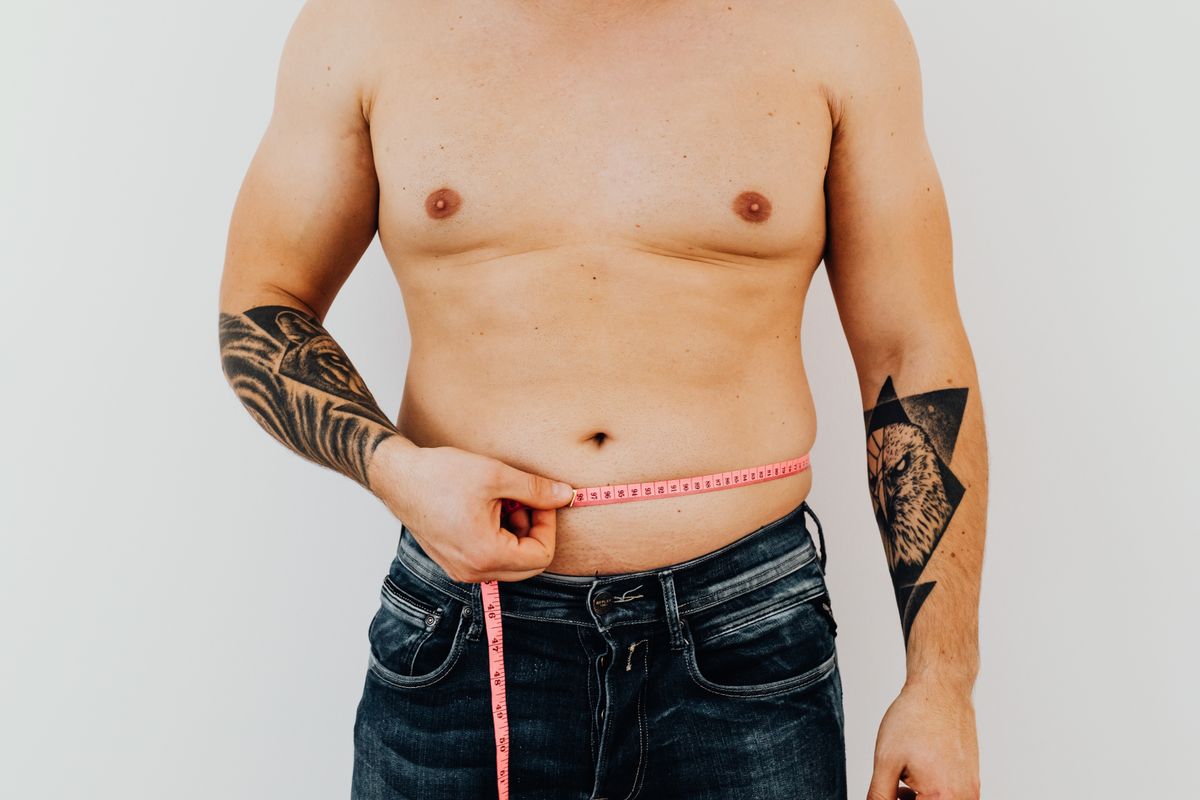
Testosterone helps build and maintain muscle, and muscle is metabolically active tissue—it burns energy even at rest. When testosterone drops, men tend to lose muscle and gain fat, especially abdominal fat. Less muscle means a slower metabolism, which makes further weight gain easier. It’s a genuine physiological shift, not simply a matter of discipline.
The Frustrating Feedback Loop
Here’s what makes it stubborn: excess body fat, particularly around the abdomen, can itself lower testosterone levels. So low testosterone promotes fat gain, and fat gain suppresses testosterone. Many men feel stuck spinning their wheels—working hard with little to show for it—without realizing a hormonal cycle is part of the problem.
Other Signs That Often Come Along
Weight changes rarely show up alone. Men with low testosterone frequently notice:
- Ongoing fatigue and lower energy
- Reduced sex drive
- Loss of strength or muscle tone
- Low mood or irritability
- Difficulty concentrating
If several of these sound familiar alongside the weight gain, it’s worth getting evaluated. You can read more in our guide on whether low testosterone is just aging or something you can treat.
Breaking the Cycle
The first step is simply knowing what you’re dealing with—a morning blood test can measure your testosterone level, interpreted alongside your symptoms. From there, foundational steps like strength training, better sleep, and weight management help. When those aren’t enough and levels are genuinely low, a physician may discuss hormone replacement therapy (HRT). For men who also meet the criteria, medical weight-loss support can address the fat side of the loop at the same time. Treatment is individualized and monitored over time.
Think low testosterone might be behind stubborn weight gain? Schedule a free consultation to get evaluated and understand your options.
Frequently Asked Questions
Can low testosterone really cause weight gain?
Low testosterone can contribute to loss of muscle and increased body fat, particularly around the abdomen. Because it affects metabolism, it can make weight harder to manage—though it’s usually one factor among several.
Will treating low testosterone help me lose weight?
Addressing genuinely low testosterone may support muscle and energy, which can help with weight efforts, but it isn’t a standalone weight-loss treatment. Results vary and depend on the whole picture.
How do I know if my testosterone is low?
A blood test taken in the morning, combined with a review of your symptoms, is how low testosterone is diagnosed. A physician interprets the results in context rather than relying on a single number.
Image: Photo via Pexels (pexels.com/photo/5714307)