
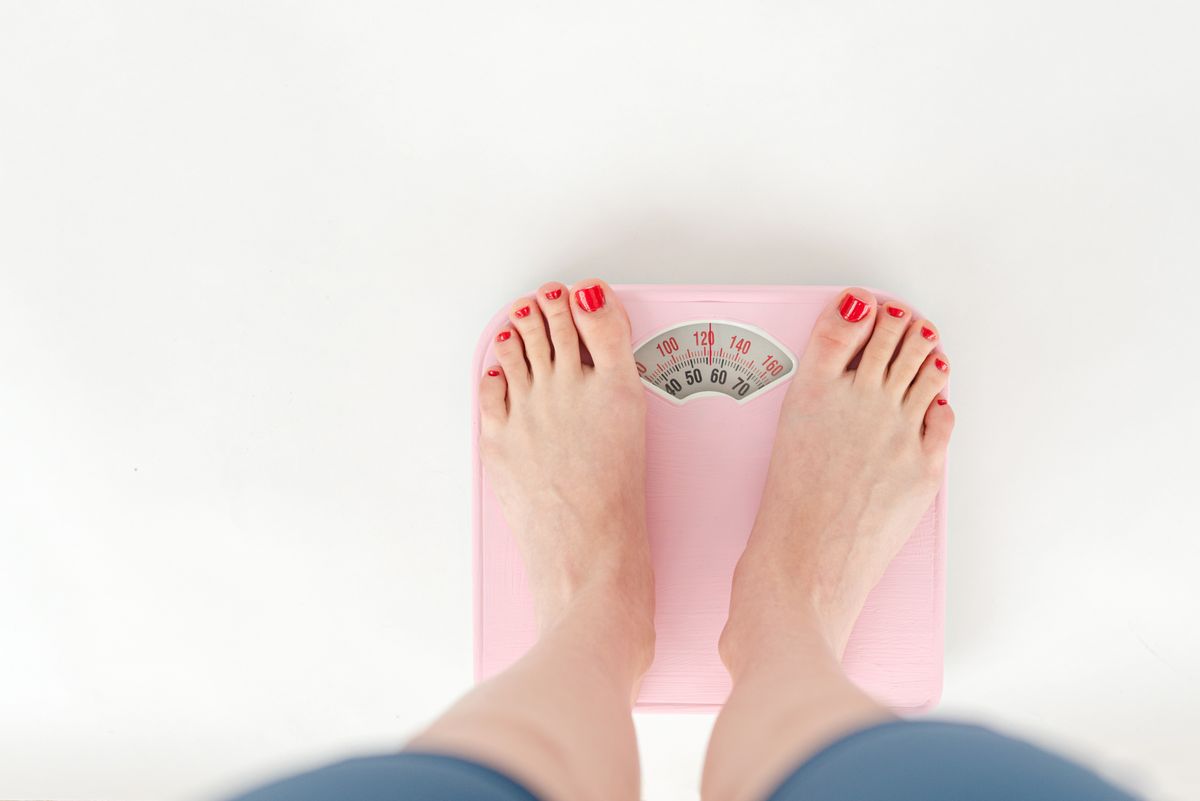
11 Jul Menopause Weight Gain: Why It Happens and What Actually Helps
Medically reviewed by Dr. Elyssa Blissenbach, MD — board-certified in Internal Medicine and Obesity Medicine. This article is educational and is not a substitute for personalized medical advice. Individual results vary.
If the scale has crept up since your 40s—and nothing about your diet or workouts has changed—you’re not imagining it, and you’re not doing anything wrong. Weight gain around menopause is one of the most common complaints women bring to our telehealth visits, and it has real physiology behind it. The good news: once you understand why it happens, the path forward gets a lot clearer.
Why Menopause Changes Where and How You Gain Weight
As estrogen declines through perimenopause and menopause, the body tends to shift fat storage from the hips and thighs toward the abdomen. At the same time, muscle mass naturally decreases with age, which lowers your resting metabolism—so the same meals that once maintained your weight now nudge it upward. Sleep disruption, higher stress, and shifting insulin sensitivity all stack on top of that. It’s rarely one single cause; it’s several changes happening at once.
It’s Not “Just Willpower”
This is the part women are most relieved to hear. Midlife weight gain is a hormonal and metabolic shift, not a character flaw. Cutting calories harder and harder often backfires, because it accelerates muscle loss and slows metabolism further. A smarter approach works with your changing physiology rather than fighting it.
What Actually Helps
Several strategies tend to move the needle when they’re combined:
- Strength training to preserve muscle and support metabolism.
- Protein-forward nutrition to protect lean mass and manage appetite.
- Sleep and stress support, since both directly affect hunger hormones and fat storage.
- Addressing the hormones themselves, when appropriate, so you’re not working against a stacked deck.
Where Hormone Therapy and Medical Weight Loss Fit
For some women, hormone replacement therapy (HRT) can ease the menopausal symptoms—poor sleep, low energy, mood changes—that make weight management harder in the first place. Separately, medically supervised weight-loss options such as GLP-1 medications may be appropriate for women who qualify. Because Dr. Blissenbach is dual board-certified in Internal Medicine and Obesity Medicine, she can look at both the hormonal and the metabolic picture together instead of treating them as separate problems. What’s right for you depends entirely on your labs, history, and goals.
Frustrated by menopausal weight gain that won’t budge? Schedule a free consultation to talk through what’s driving it and which options fit you.
Frequently Asked Questions
Does menopause automatically mean I’ll gain weight?
Not automatically, but the hormonal and metabolic changes of menopause make weight gain—especially around the midsection—more likely. Being aware of it early makes it easier to stay ahead of.
Can HRT help with menopausal weight gain?
HRT isn’t a weight-loss treatment, but by easing symptoms like poor sleep and low energy, it can make healthy habits more sustainable for some women. Whether it’s appropriate is an individual decision made with a physician.
Can I address hormones and weight loss at the same time?
Often, yes. A physician trained in both areas can coordinate care so the two plans support each other. The right combination is personalized to you.
Image: Photo via Pexels (pexels.com/photo/6975474)